
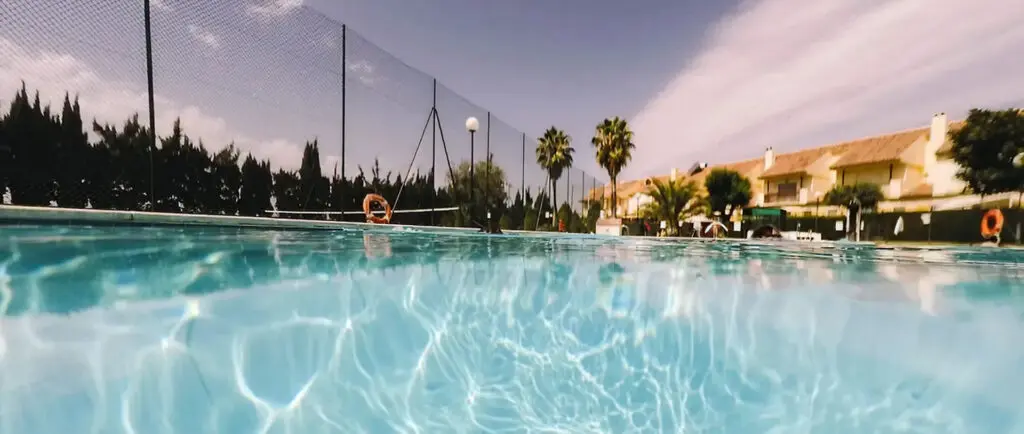
Outdoor Pools
Adding a pool to your backyard can completely transform your space. Whether you’re envisioning a serene retreat for unwinding or a lively spot for entertaining, an outdoor pool offers endless possibilities. With so many design options and features available, the experts at White’s Pools can tailor-make a backyard swimming pool to suit your home and exceed your grandest desires.
What are outdoor pools?
If you’ve been looking to upgrade your outdoor space, there are infinite ways to incorporate a swimming pool into your property. Pools constructed in open, outdoor spaces allow you to enjoy the sun, fresh air, and stunning views while you swim.
A backyard swimming pool not only serves as a refreshing escape during the hot summer months in Atlanta, but also creates an ideal setting for entertaining friends, family gatherings, and relaxation year-round. Imagine lounging poolside with a drink in hand, hosting barbecues, or enjoying evening swims under the stars with your significant other —a pool transforms your yard into a personal paradise.
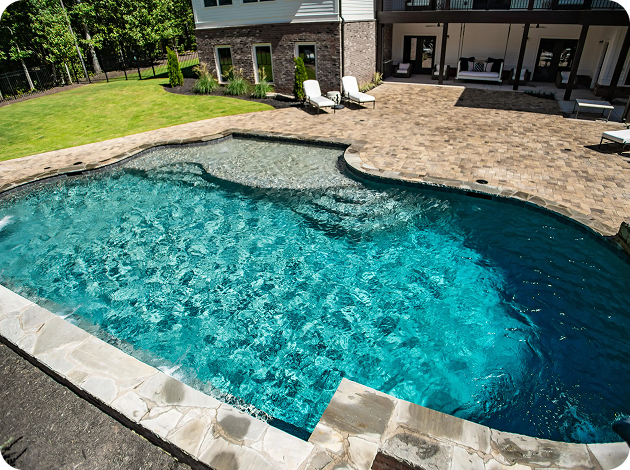
types of Outdoor pools
There’s a backyard swimming pool to suit nearly any style, budget, and space. Whether you’re considering an in ground pool for a sleek, polished look or an above ground pool for affordability and convenience, the key to creating your ideal pool is smart design. Even if you’re worried about pool equipment or the appearance of an above ground structure, clever landscaping and thoughtful design choices can help blend these features into your backyard’s aesthetic.
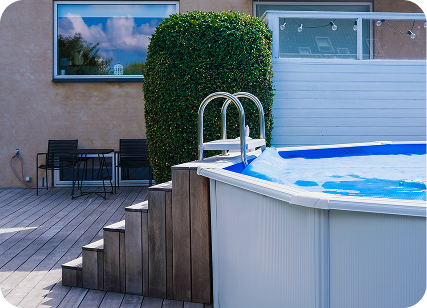
Above ground pools
An above ground pool is a versatile and cost-effective way to maximize your outdoor space. Above ground pools sit on the surface of your yard. Unlike in ground pools, which require extensive excavation and installation time, above ground pools are pre-manufactured and designed for easy setup. They come in various shapes and sizes, allowing you to choose the perfect fit for your yard and lifestyle.
An above ground backyard swimming pool can be disassembled and moved if you relocate or simply want to change your layout. This flexibility is a big advantage for renters or those who plan on moving homes in the future. Enjoy the benefits of having a pool without a long-term or structural investment.
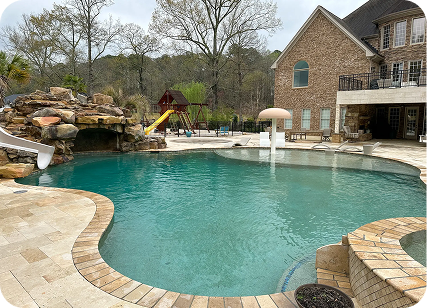
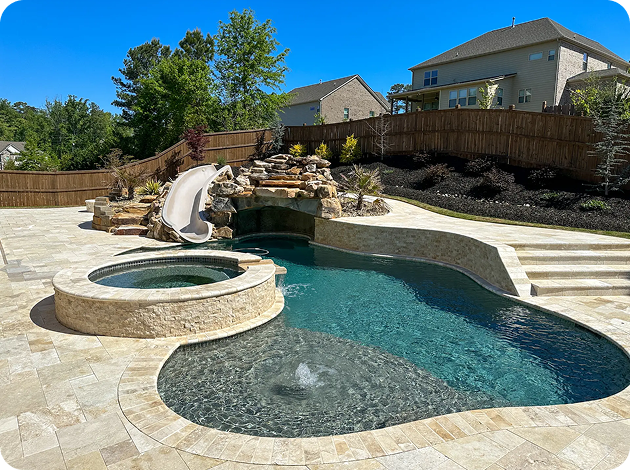
Inground pools
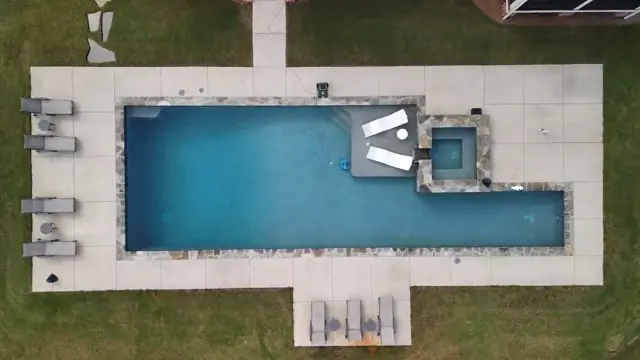
An in-ground pool is a permanent, custom-built pool that’s installed directly into the ground, offering a sleek, low-profile look that elegantly blends into your outdoor landscape. An in ground outdoor swimming pool is highly customizable in terms of shape, size, and materials. If you want a deep end for diving or enough space for lap swimming, an in-ground pool allows for those options.
The durability of in ground pools gives homeowners a striking backyard focal point built to last. This design significantly boosts your home’s value and curb appeal. It’s considered a luxury feature that potential buyers love, which means that your investment not only enhances your lifestyle but can also pay off when it’s time to sell.
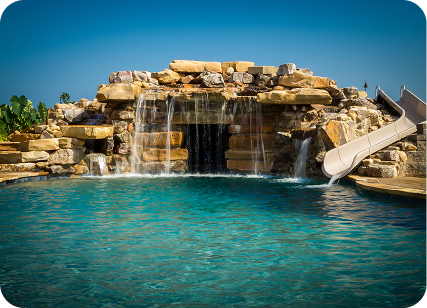
Concrete pools
Rather than a pool that looks awkwardly copied and pasted into your outdoor space, a carefully sculpted concrete pool looks natural in the landscape. Concrete pools are one of the most expensive kinds of outdoor pools to build, but they are also highly customizable and resistant to damage. Since the concrete is poured onsite, you can create a backyard swimming pool in any shape or size you’d like, never compromising on your vision. Since concrete is so versatile, you have unlimited options to add custom features like tanning ledges, benches, or attached spas. Plaster, tile, stone, or even pebble finishes can be applied to concrete pools for a luxurious feel.
Benefits of an outdoor pool
An outdoor swimming pool gives you a sense of openness and freedom. With no walls or ceilings confining you, you get to swim under the sky, whether it’s a bright sunny afternoon or an evening dip beneath the stars. It’s a feeling that even the most luxe indoor pools can’t match. Besides the advantage of fresh air, there are practical reasons to keep your swimming pool separate from your indoor space.
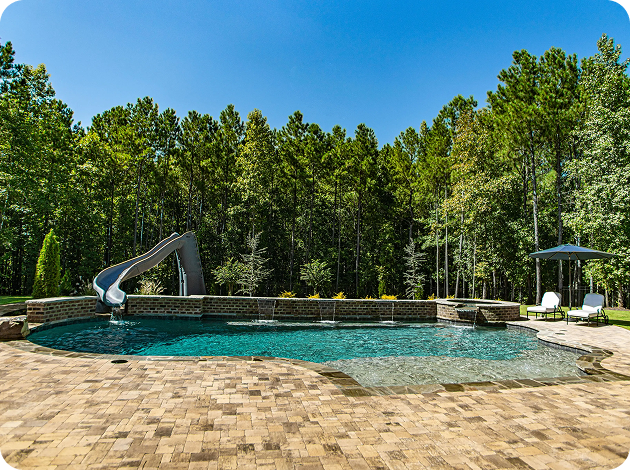

Straightforward construction
Building an indoor pool is a massive undertaking. With an outdoor swimming pool, you’re working with fewer structural elements. There’s no need for the walls, ceilings, or ventilation systems that an indoor pool requires. You’re not dealing with the same level of design intricacies that come with integrating the pool into a building, which makes the entire process simpler and faster. Outdoor pools also typically require fewer permits and inspections compared to indoor pools, since building codes are stricter for indoor pools in most places. Outdoor pool construction impacts your day-to-day living significantly less than building an indoor pool.

Simpler maintenance
Indoor pools trap moisture inside the building, requiring constant monitoring to prevent mold and structural damage from all that moisture. Outdoor pools let nature help in keeping things ventilated and don’t trap water vapor in your home. You won’t have to worry about installing and maintaining a ventilation or dehumidification system. With modern outdoor pools, debris like leaves and dirt can easily be managed with automated pool covers and advanced filtration systems. When planning installation, your swimming pool installer can incorporate many features that make cleaning a snap.

Takes advantage of solar rays
Swimming is a healthy activity no matter where you get your laps in, but getting out in the fresh air drastically increases your well-being. The warm glow of the sun, which delivers vitamin D, is great for mental and physical health. The sun also warms the pool, so you save on energy costs as opposed to an indoor pool that requires quite a bit of power to reach comfortable temperatures.

A safer choice for small children
An indoor pool can be a luxurious and sexy home feature for single or childless adults, but if you live with or regularly host young kids, an outdoor pool will give you more peace of mind. Children are prone to roaming, and keeping them out of an indoor pool can be difficult in moments when you’re distracted. An indoor pool deck also slightly slopes inward toward the pool to prevent water from overflowing, creating an extra hazard for small children.
Here are a few safety features that make an outdoor swimming pool more kidproof:
1. A sturdy, self-closing, and self-latching fence
2. A safety pool cover that supports the weight of a child
3. Alarms on the gate and the pool itself
Besides easing safety concerns, a backyard swimming pool provides a better overall environment for children to play. There is usually more leisure space around an outdoor pool, and the open-air acoustics make it more pleasant for the adults supervising boisterous kids. Indoor pools can become loud when kids’ laughs, playful screams, and splashes echo off the walls.
Building an outdoor pool
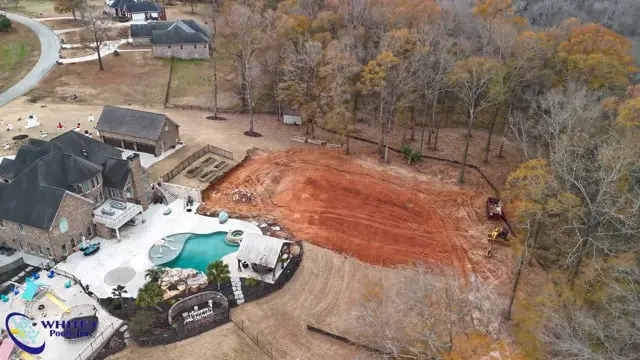
Before any part of the installation process begins, you’ll want to make sure you and your pool builder have a clear understanding of your ultimate vision. Outdoor pools are less expensive and easier to install, but careful thought should be put into the logistics first to make sure the pool, backyard, and home design are all in harmony. Above ground outdoor pools in particular can stick out like a sore thumb without forethought.
Can I install an above ground pool myself?
Yes, you can absolutely install an above-ground pool yourself, and many homeowners do. But here’s the thing: while DIY installation might save you a bit upfront, there’s a lot more to consider in the long run. Here’s a rundown of the steps it takes to install your own above ground pool using a kit:
- Find a spot with stable ground
- Acquire a permit according to local laws and HOA guidelines
- Consult with your utility company to make sure you’re not over shallow utility lines
- Make sure you have an accessible outdoor electrical source
- Clear debris and level the area
- Assemble pool walls and supports
- Install your pool liner
- Fill pool halfway
- Install skimmer, filter, pump, return, and top rail
All of these tasks can be a lot to tackle without experience. When you work with a seasoned swimming pool installer, you’re tapping into expertise that makes a difference in functionality and design. From leveling the ground perfectly, to making sure the pool is structurally sound, to chicly incorporating it into your outdoor space, professionals know how to avoid the common mistakes that can lead to costly fixes later on. Plus, they bring a designer’s eye to the project, making sure your pool isn’t just functional, but enhances the beauty of your yard and maximizes its potential.
Investing a little more upfront in professional installation means you’ll have peace of mind knowing your pool will stand the test of time and bring you and your family enjoyment for years without the headaches. It’s an investment in quality, longevity, and a stress-free experience.
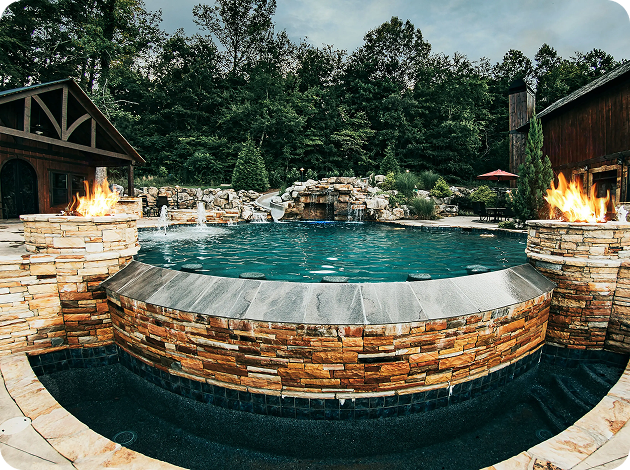
Inspiring outdoor pool designs
When you’re designing your backyard escape, you should never feel boxed in. At White’s Pools, we love to take modern pool technology to new frontiers and create unique getaways for passionate Atlanta homeowners. Here are four classic, but distinct approaches to the outdoor swimming pool:
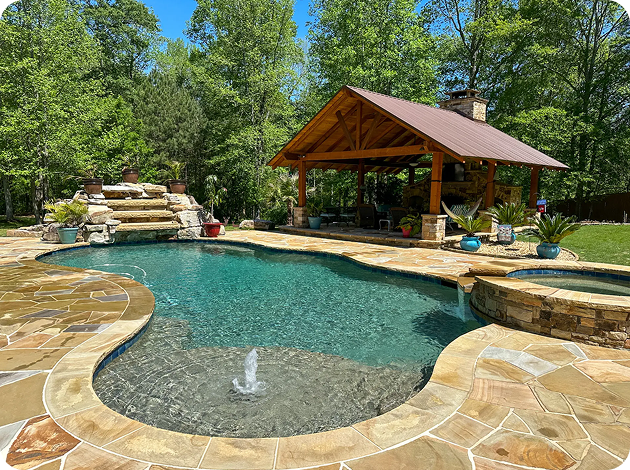
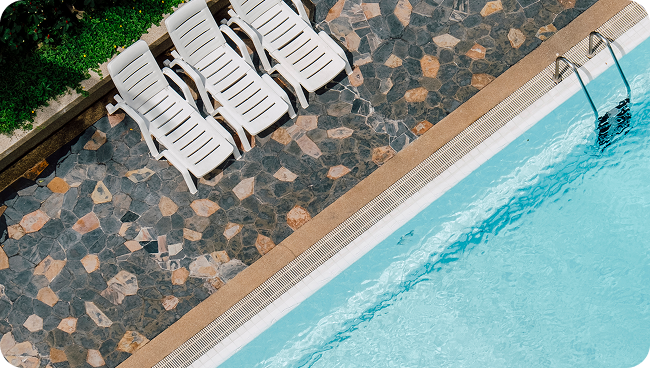
Fiberglass Pools
Fiberglass pools are poured into pre-fabricated molds at your home before being assembled into the finished pool. This means you’re limited to the shapes and sizes that your pool builder carries and has available. The advantage though, is that since these molds are already made, you can have your pool installed in a fraction of the time of a concrete pool.
Working with fiberglass can be tricky, as it’s difficult to assess the quality of the fiberglass at a glance. There are different resins that each builder prefers to work with. The difference in resins can impact the overall lifespan of your pool by a few years and unfortunately, you won’t really know until something goes wrong. However, the gel coatings on fiberglass provide a comfortable feel as you wade and they are highly resistant to dreaded algae growth.
While most fiberglass pools have a lifespan of only 30 years, compared to concrete’s 75-100, they shine when it comes to overall maintenance. Like any pool there’s the routine maintenance of the water within the pool, but the actual fiberglass is untouched by those chemical treatments in the water. The gel coating protects the fiberglass while keeping things smooth to the touch. That means you won’t need to scrub algae nearly as much as with a standard concrete pool, saving you time and money.
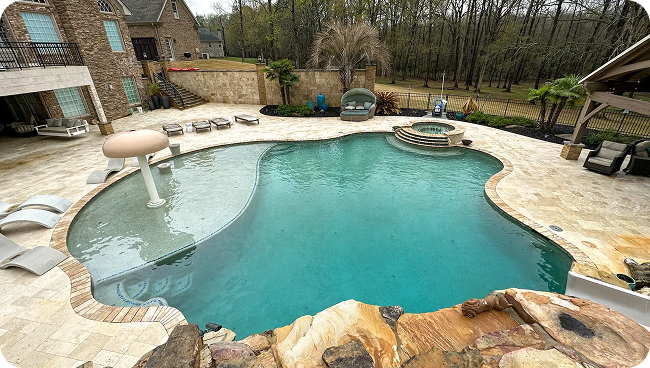
Concrete Pools
Concrete pools take the edge over fiberglass when it comes to overall lifespan. Concrete pools are built to last and outlast, with a lifespan of three to four times longer than fiberglass. That durability of the concrete comes from the combination of water, cement, and aggregate. The aggregate can make the concrete even sturdier depending on its composition, with sand, limestone, or gravel being common.
Concrete’s supreme durability is only matched by its surprising flexibility. Concrete is flexible in the sense that it bends to your wishes better than any other pool material. You can select different options for the shape of your pool and the size.
Whether you want a Mediterranean-style pool that conforms to neat geometric shapes, or something freeform that feels like stepping into a natural lagoon, concrete can do it all. All that freedom does come with the additional consideration of time. When you select a custom concrete pool, your concrete builder will have to take the time to design the pool to your specifications. There’s also the time it takes for the concrete to set and cure once it’s been poured and before you can put any water in.
Get in touch and start planning your dream outdoor swimming pool today
A pool adds a special quality to a home that’s about more than just being able to swim at your leisure. It’s a place to create unforgettable moments with your loved ones and take a break from the world. White’s Pools brings unparalleled craftsmanship, attention to detail, and a designer’s touch to every project we’ve undertaken for Atlanta homeowners.
From the initial concept to the final touches, we’ll work with you to create an outdoor retreat to lose yourself in. Contact us today, and we’ll talk about how we can turn your vision into a stunning reality.
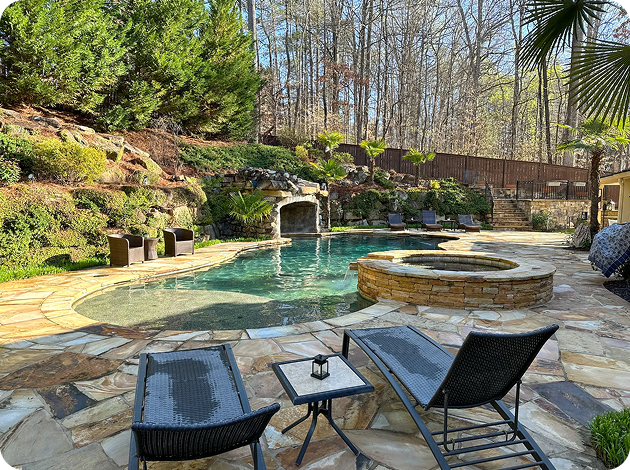
A trusted and reliable swimming pool construction company
We use the best equipment and latest technology to design swimming pools and spas for homes, hotels and clubs.

75+ Years
In Business

2,000+
Customers Served

competitive
Pricing

top tier
Customer Service

fast
Installation

diverse
Capabilities

guarantee
Quality

family
Business
Get Started Today!
Request a quote.
Someone from our team will be in touch within 24 hours.

Address
1001 Karlee Blvd,
Loganville, GA 30052
1431 Capital Ave,
Watkinsville, GA 30677

Telephone
Office/Shop:
(770) 466-2376
Pool Sales:
844-7-POOLMAN